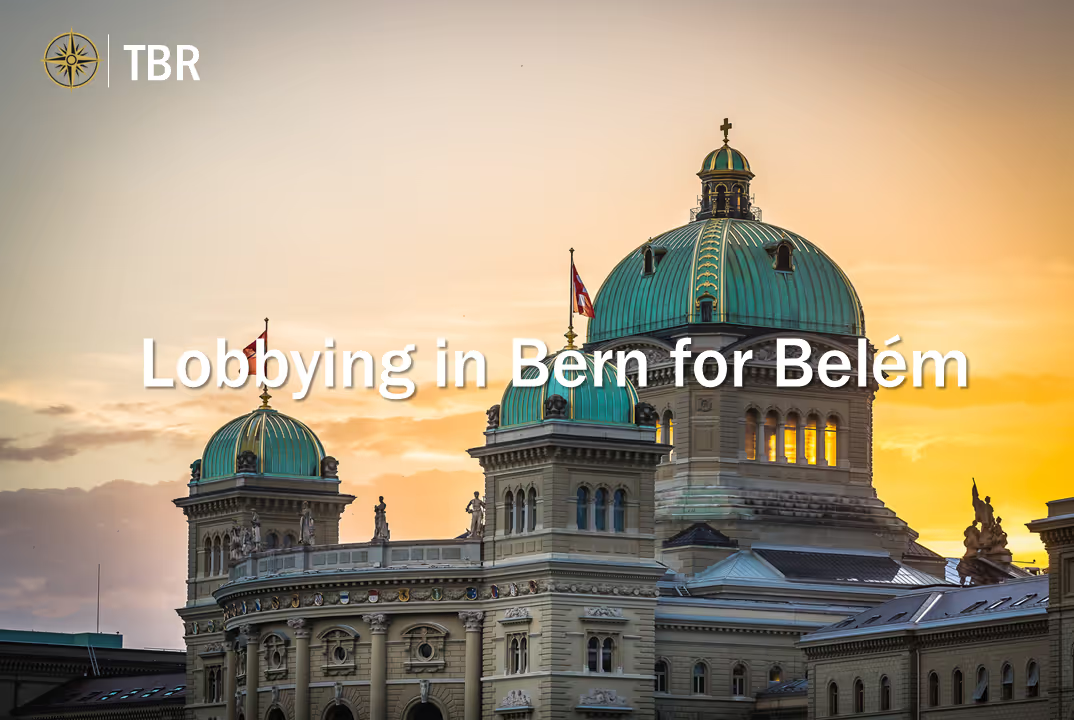
Imagine this: You’re standing in front of thousands at the Conference of the Parties (#COP30) in Belém, Brazil. You’ve got 15 minutes to prepare. No time to rehearse. No slides. Just you, a microphone – and one chance to say something that might change the world.
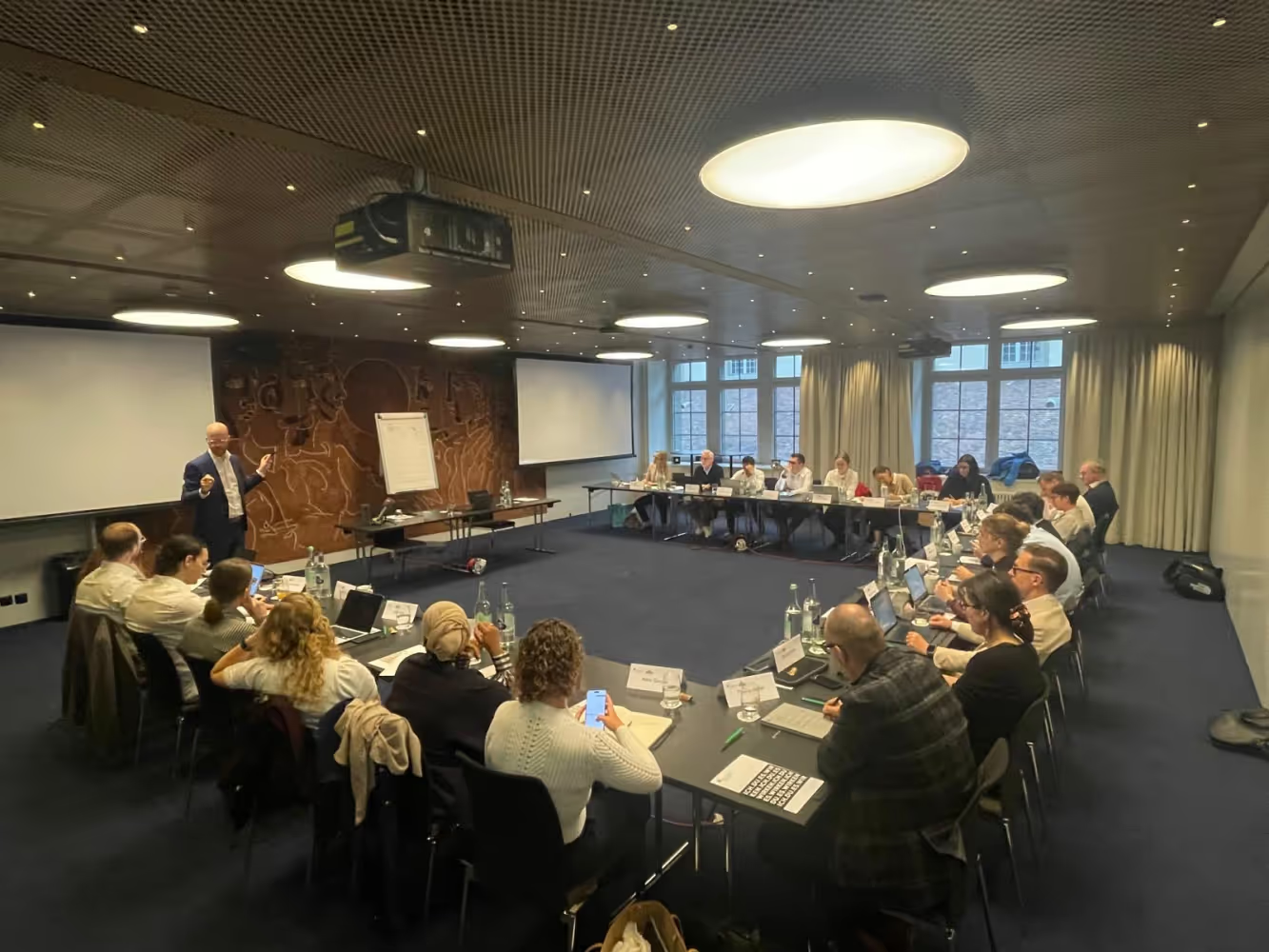
Rhetoric, presence, and a few good laughs - training with Marcel Juen's team in our diplomacy lab.
Public speaking remains the number one fear for most people around the world. That was exactly the kind of high-stakes challenge we faced at the University of St.Gallen (HSG) – Executive School in Bern – the Swiss capital of politics, power and persuasion.
The input and coaching from Marcel Juen and his excellent team were outstanding – a masterclass in executive presence and strategic communication. Each of us had to navigate real-world conflict scenarios: from infrastructure policy to Swiss pharma competitiveness, and – my personal favorite – the future of sustainable finance.
Then came the moment of truth. Interviewed by Giulia Staub, suddenly felt like James Bond in “Agent im Kreuzfeuer” – dodging bullets of tough, sometimes provocative questions:
“Honestly, is sustainability really that important?”
“Isn’t ESG just greenwashing?”
“Which Swiss companies are guilty of sustainability malpractice?”
Let’s just say: adrenaline levels were high. But so was the learning curve.
It didn't get much more relaxing when put in front of a TV camera... Our mission: deliver a short, high-impact statement under pressure. My context: global sustainability, diplomacy, and credibility. (Thank you Elise Buckle ✨ & Climate Bridges for staying at the top of my head making me connect dots this way!)
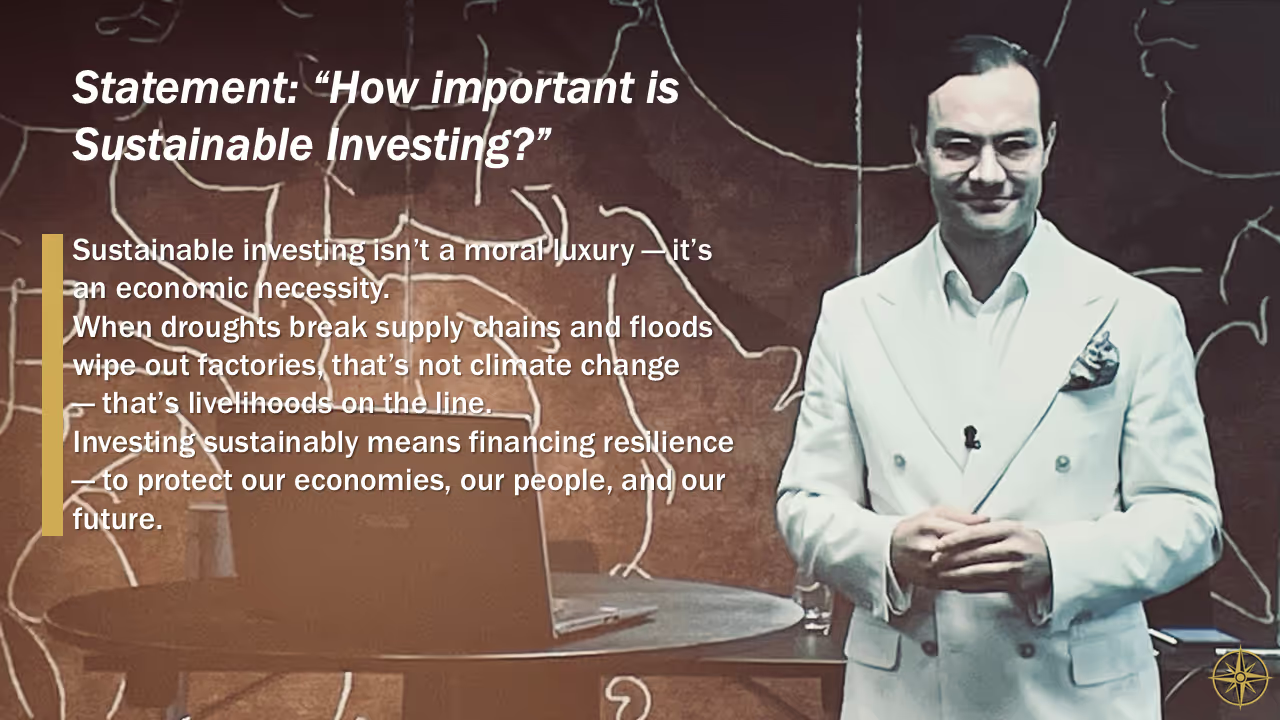
Moments befgore the mic: Ready to speak truth to power before "COP30" - focused on climate justice.
One surprise gift (#Schöggeli) for us was meeting Swiss politician Dr. iur. Matthias Michel , council of states (Ständerat), as well as Alexandra Thalhammer for an insightful panel discussion and direct insights on how politics and practice meet in Bern’s reality. The Q&A gave a rare, first-hand look into how policy decisions are actually shaped – and how leadership communication matters when the spotlight turns political.
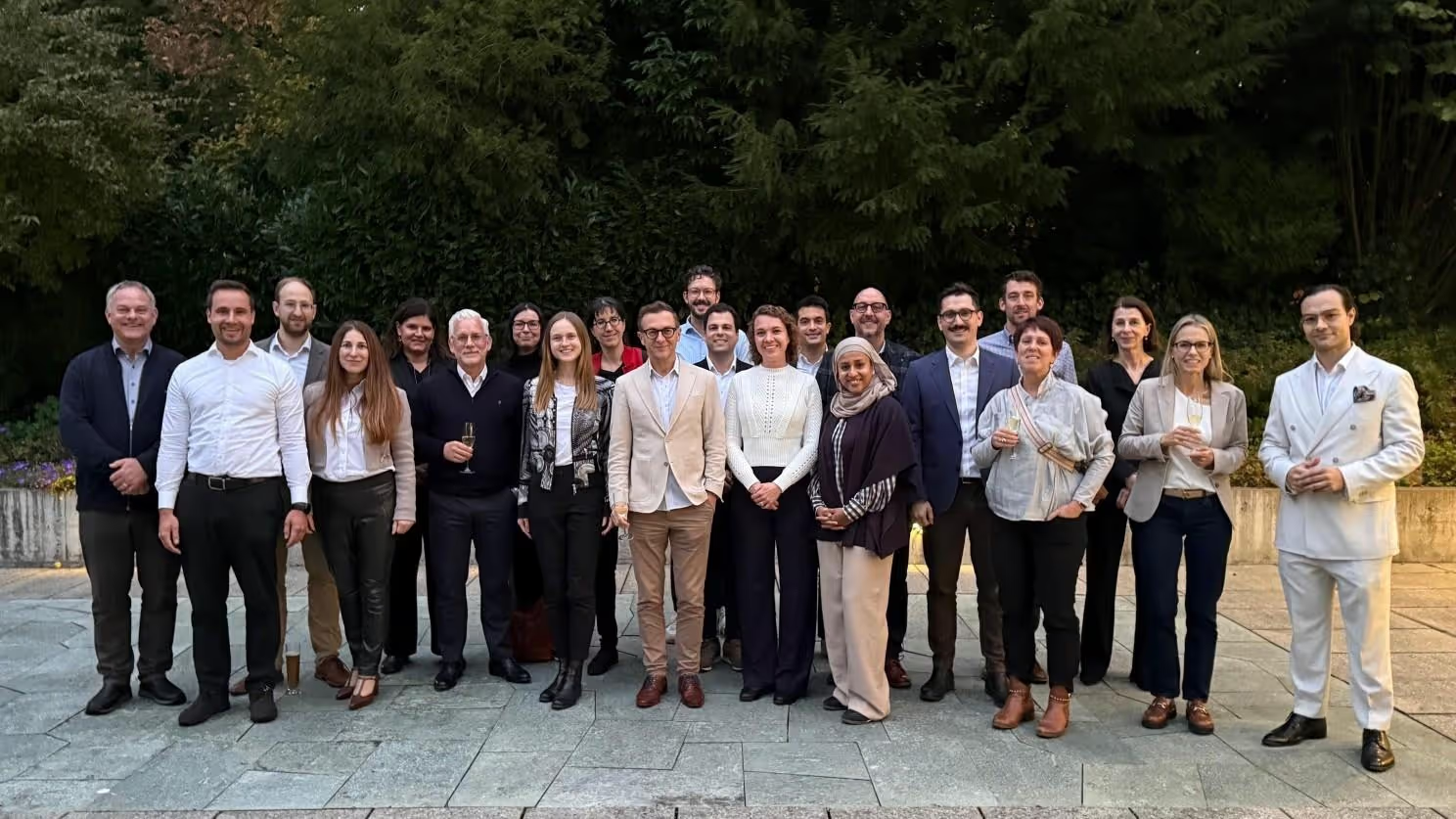
Diplomacy in motion: A snapshot of fututre changemakers with ambassador Doris Frick.
And then there was one truly exceptional encounter: @Doris Maria Frick, the Ambassador of Liechtenstein in Bern. Until that day, I had never met her – and what a world-class personality she is: brilliant, open, diplomatic, and genuinely inspiring. We were invited to the Liechtenstein Embassy, where we learned about the country’s history, challenges, and its remarkable ability to stay relevant between giants. It was, without exaggeration, one of the most memorable experiences of the entire program.
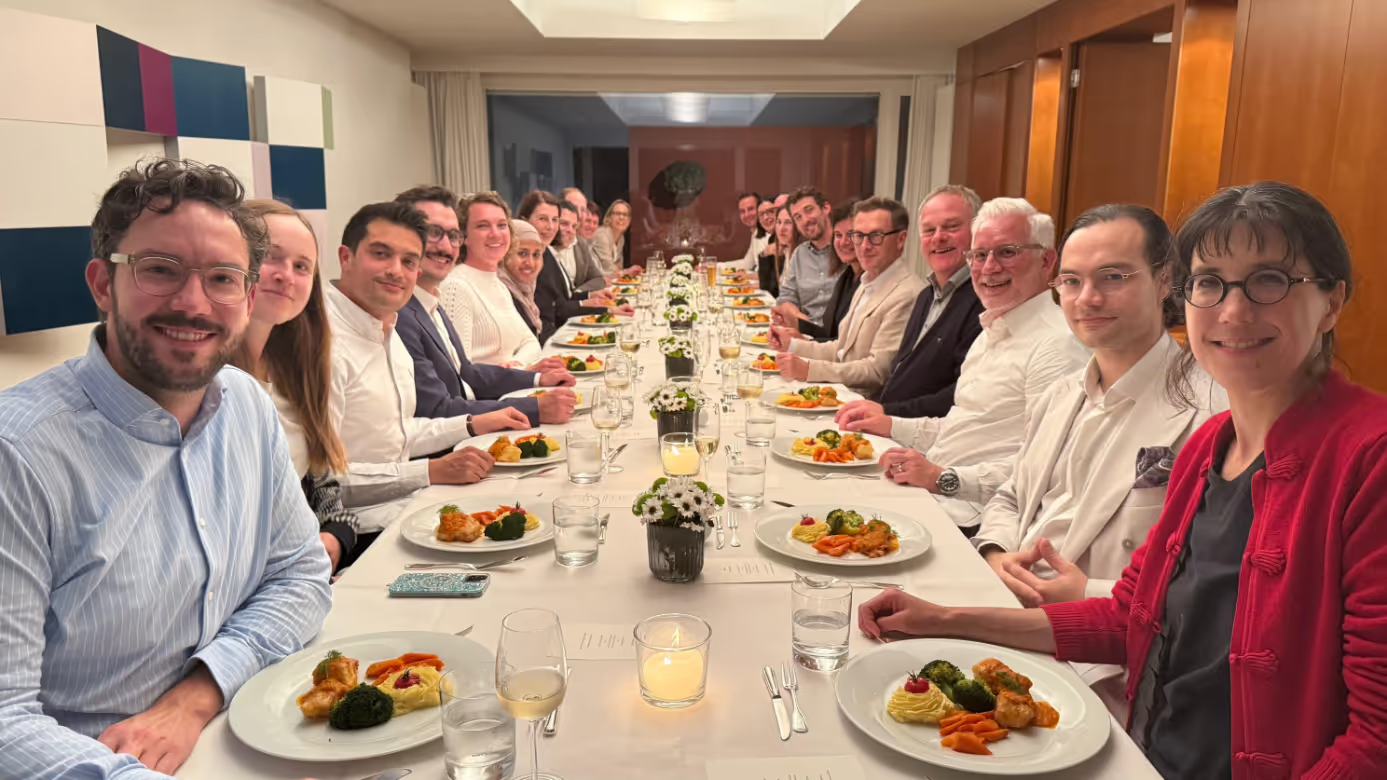
Where diplomacy meets desert: A warm evening of ideas, stories and shared vision around the ambassador's table.
What truly surprised me was how open and approachable she was. We had the chance for one-on-one conversations, where I learned — firsthand — what it takes to embody diplomatic poise. During dinner, the room fell completely silent at times, as everyone leaned in to hear her stories from a remarkably diverse career. One of the most memorable? Why Liechtenstein decided to include a map of the country on page one of its passport — so that customs officers around the world would stop asking whether it actually exists.
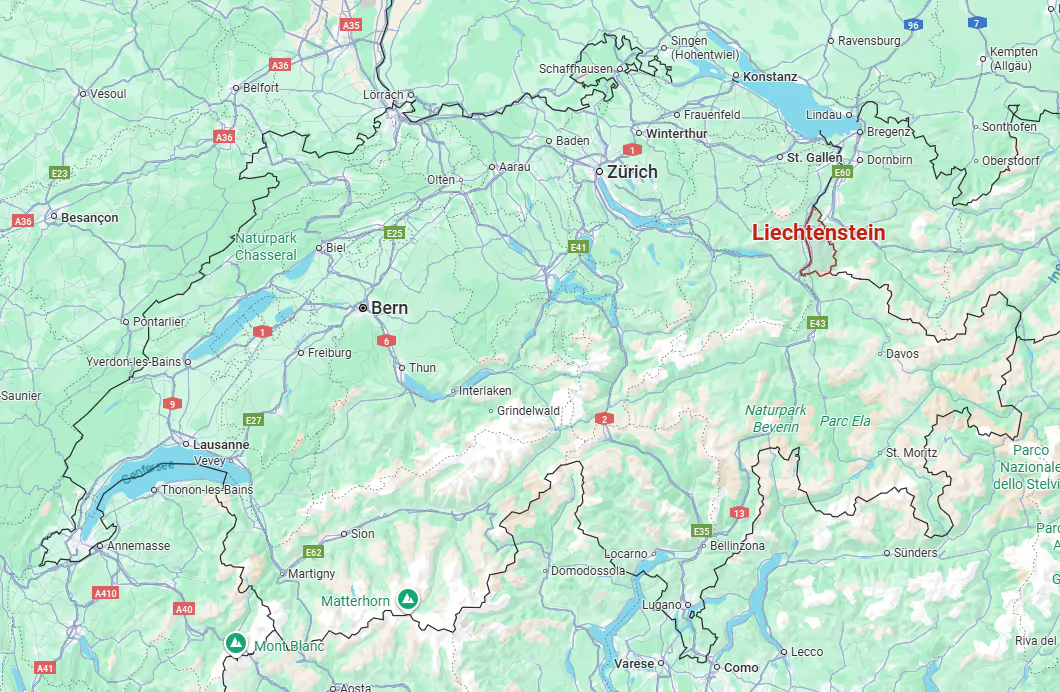
If you're still wondering. Yes, Lichtenstein/Vaduz existis!
How to Prepare a Speech That Lands
Beyond the story, here’s something practical. If you're preparing a speech — whether for a conference, a boardroom, or a diplomatic setting — consider these three essential tips:
And don’t underestimate the non-verbal: Posture, gestures, appearance, and facial expression aren’t accessories — they’re part of your message. Own the stage before you speak.
This exercise wasn’t just about speeches. It was about clarity under pressure, conviction under scrutiny, and credibility under fire. It showed me how powerful storytelling can be when facts alone don’t move hearts – and how essential it is for (sustainability) leaders to master both.
So whether at COP30 or Bern, one thing remains true: Every appearance is a chance – to represent your values, your institution, and your purpose. So make it count!


.avif)
.avif)